
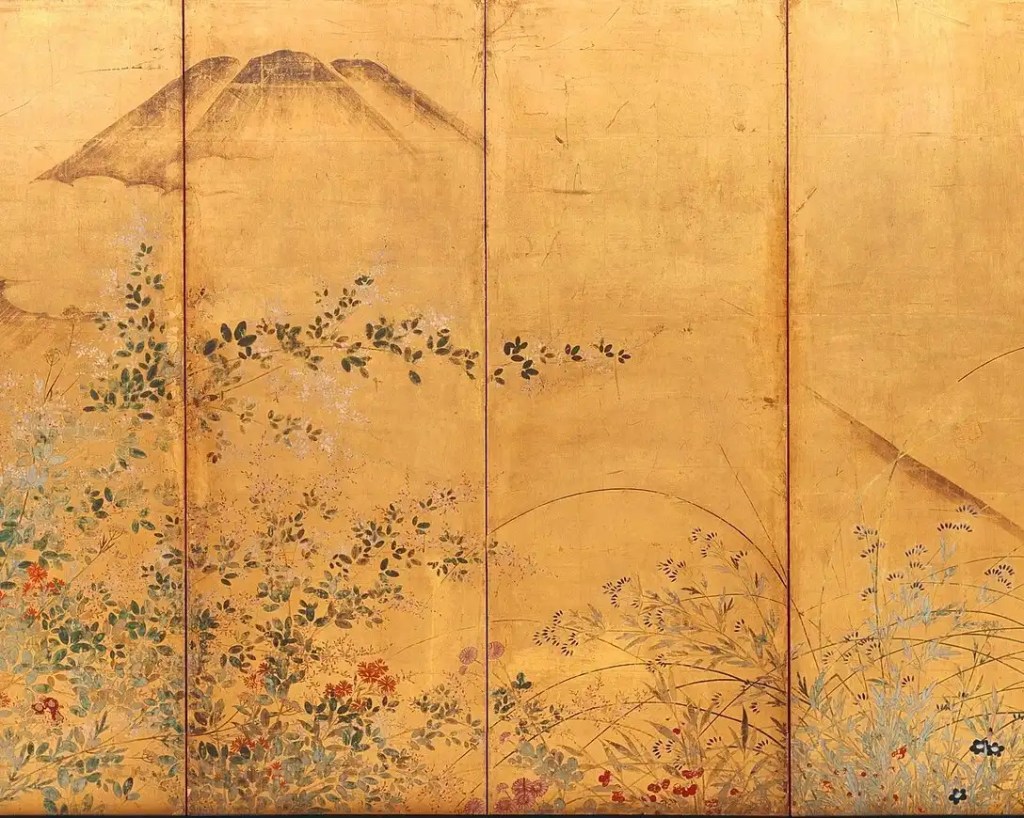
In a world that often seeks permanence and certainty, the Japanese concept of Mono no Aware offers a contrasting perspective that has been rooted in Japanese culture and literature since the Heian period (784 – 1185).
What does Mono no Aware mean?
Mono no Aware translated to the pathos of things, is a Japanese term reflecting on the bittersweet realisation that all things are temporary, and that their impermanence enhances their beauty.
The concept of Mono no Aware originates in the Heian period, particularly evident in classical literature like The Tale of Genji, a story of love and betrayal. However, it was during the Edo period (1603–1868) that scholar Motoori Norinaga highlighted Mono no Aware to be a core theme in The Tale of Genji, defining mono no aware as a central aesthetic and an emotional principle in Japanese literature, essential to society.
Mono no Aware is deeply ingrained into Japanese culture through fleeting moments such as the bloom of cherry blossoms and seasonal changes, such as autumn leaves. While it doesn’t directly refer to death, it subtly alludes to the inevitability of life’s passing, encouraging a mindful appreciation of the present moment.
Modern Literature: Never let me go
Mono no Aware’s philosophical sentiment can be seen widely in modern-day Japanese literature, such as Kazuo Ishiguro’s novel Never Let Me Go, which follows the story of Kathy, Ruth, and Tommy, human clones raised for an undisclosed purpose. The novel is an insight into Kathy’s thoughts, feelings and reflections on past events. Her quiet acceptance of fate and the tender, nostalgic memories of their time at Hailsham prompted me to reflect on my own childhood, sharing a sense of nostalgia and a bittersweet acknowledgement of moments that have passed and can never be recaptured.
The novel didn’t just tell a story, it invited me to sit with my own memories, to appreciate the fleeting beauty of life. It came as a reminder to embrace the sadness that comes with knowing moments they won’t last forever, a delicate balance of beauty and impermanence encapsulating the essence of mono no aware.
What can we learn?
Mono no Aware isn’t just a term but a way of life, inviting us to see beauty in the present, but also diminishing the truth that most things come to an end Mono no Aware recognises mindfulness and the acceptance of life’s impermanence. It acts as a gentle reminder to cherish life’s moments and understand its fleeting nature.
We live our days in hope that tomorrow is promised. Forgetting it isn’t, when we realise the things that have faded, we see the beauty in what it once was.
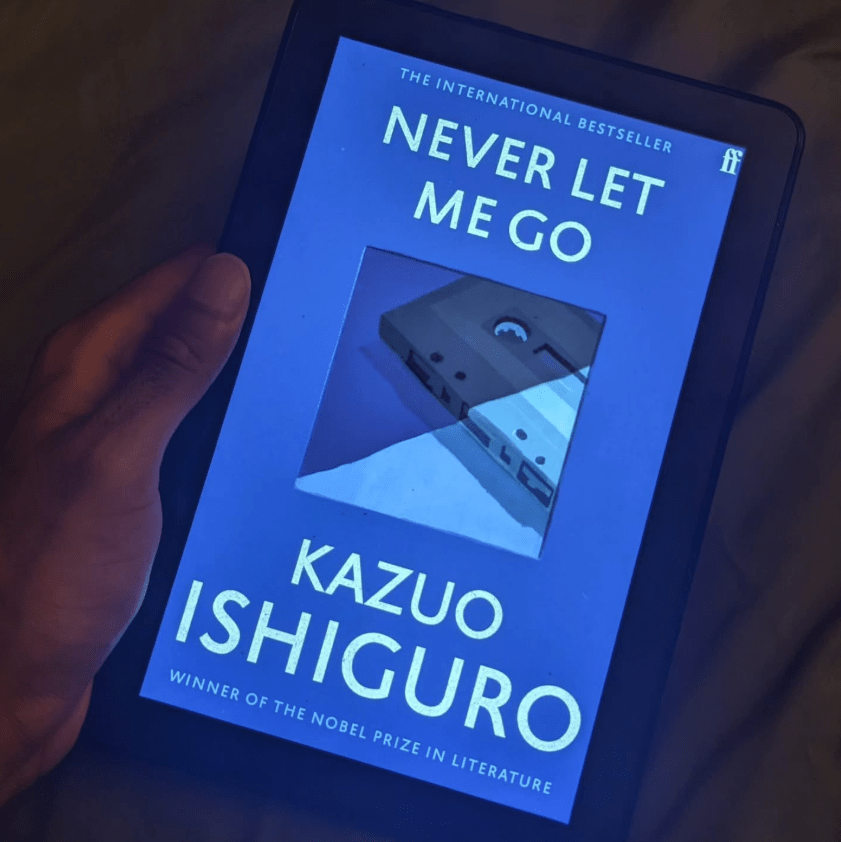
You can read a brief review of Never Let Me Go on my Instagram.
This post is a personal exploration and not an academic or religious authority. Interpretations are my own.
 Sunilswriting
