
Table of Contents
- Guru Nanak Dev Ji
- Guru Angad Dev Ji
- Guru Amar Das Ji
- Guru Ram Das Ji
- Guru Arjan Dev Ji
- Guru Hargobind Ji
- Guru Har Rai Ji
- Guru Har Krishan Ji
- Guru Tegh Bahadur Ji
- Guru Gobind Singh-Ji
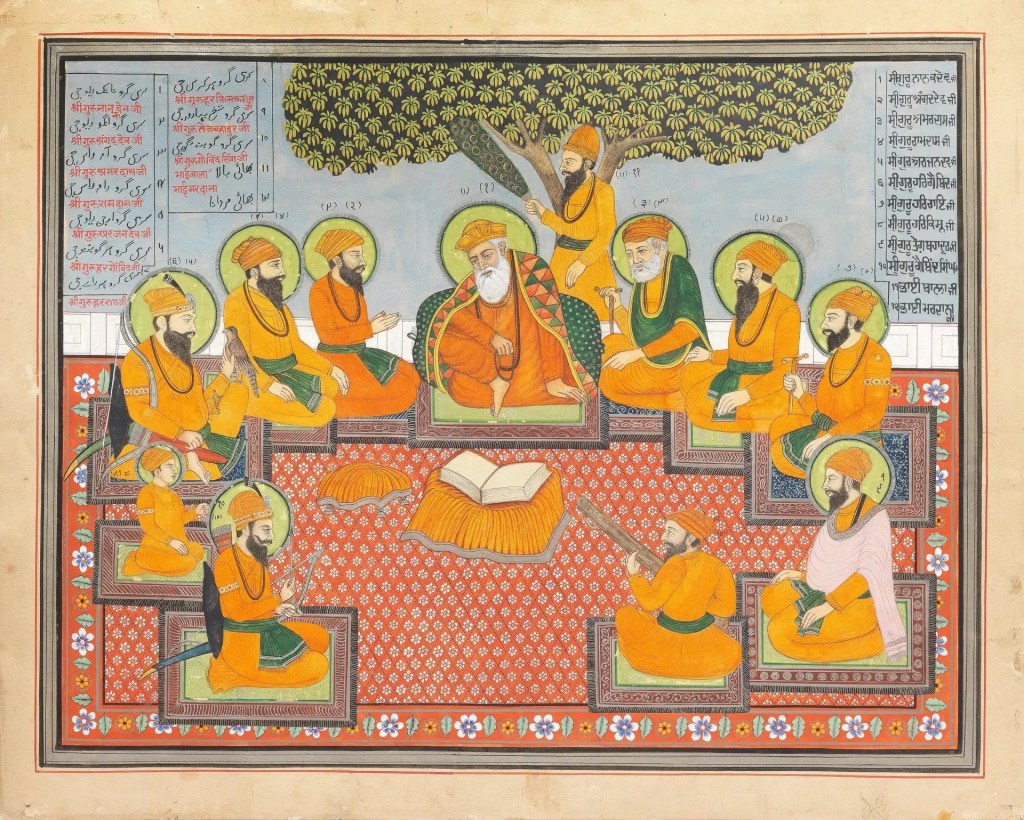
This is a brief overview of each of the 10 Gurus in Sikhism, one of the world’s youngest religions, which was founded by Guru Nanak Dev Ji in the late 15th century. Over the next two centuries, nine more Gurus succeeded him.
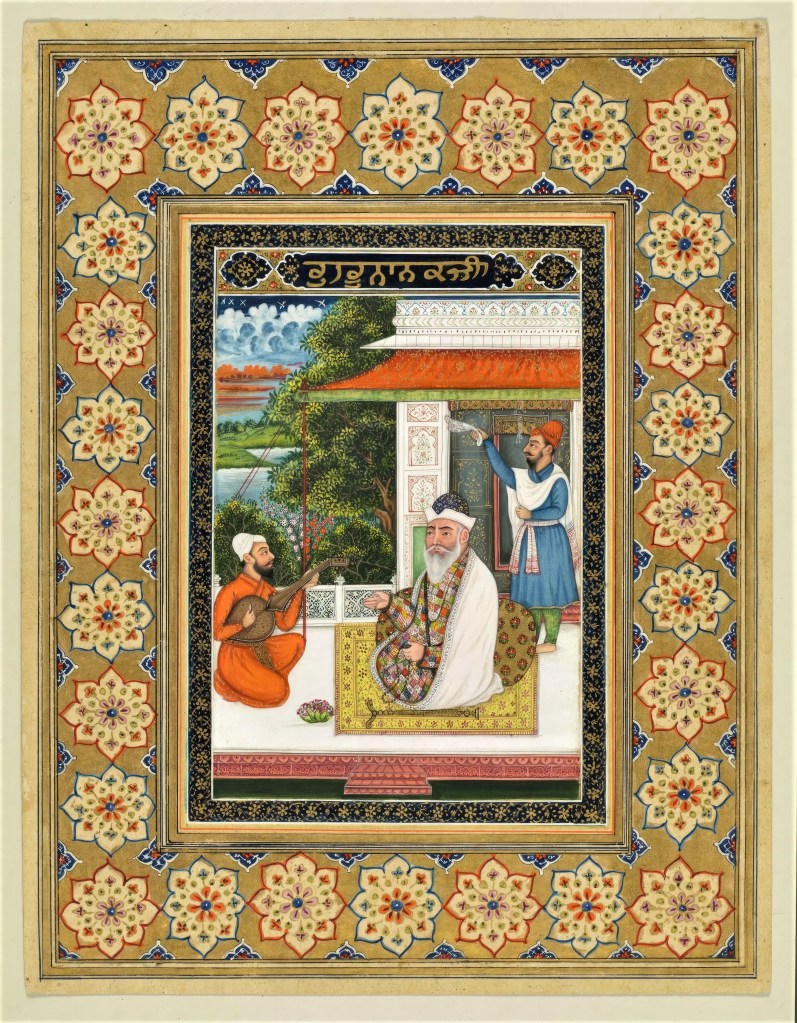
Guru Nanak Dev Ji: The First Guru
Early Life and Awakening
Guru Nanak Dev Ji, the founder of Sikhism and the first of the ten Sikh Gurus, was born in 1469 in Rai Bhoi Ki Talwandi (now Nankana Sahib, Pakistan). From a young age, Guru Nanak Dev Ji was distinguished for his knowledge and divine grace. Revered for mastering many languages and texts such as Persian, Sanskrit and Hindi at the age of 16, setting the foundations of his future teachings and writings.
Guru Nanak Dev Ji would marry Mata Sulakhni Ji in 1487 and later had two sons, Sri Chand and Lakhmi Das. Then, one morning, after vanishing into the waters of the River Bein and returning three days later transformed, he emerged with a divine revelation. With clarity and conviction, he proclaimed the timeless words
“There is no Hindu, there is no Muslim,” emphasising the unity, equality and oneness of humanity.
Sri Guru Granth Sahib Ji, Ang 1136
Udasi and Teachings

A painting of a map depicting Guru Nanak Dev Ji’s Five Udasi
For the next 30 years, Guru Nanak Dev Ji embarked on spiritual journeys, otherwise known as Udasi, across several continents. With the first Udasi starting in 1500. Guru Nanak Dev Ji dedicated his life to teaching the message of oneness, equality and devotion to the divine across lands such as Kashmir and Tibet, teachings which are now enshrined in the Guru Granth Sahib. Across the course of his life, Guru Nanak Dev Ji would compose a total of 984 Shabads, or hymns, composing the foundation of Sikhi alongside the ten Gurus who followed.
Legacy
Guru Nanak Dev Ji was a true believer in oneness, opposing the caste system and the discouragement of idol worship, which can be seen in the practice of Langar (community kitchen), welcoming people of all faiths, castes and backgrounds with all sitting together and eating as equals, emphasising other qualities such as seva (selfless service).
Later in the life of Guru Nanak Dev Ji, he settled in Kartarpur, Punjab, joined by many disciples and followers. It was in Kartarpur that Guru Nanak Dev Ji put his teachings into practice, making Kartarpur the first Sikh Community. Upon Guru Ji’s death in 1539, he appointed one of his fellow disciples, Bhai Lehna, as the successor Guru, renaming him Guru Angad, delegating a mission in spreading the message of unity, equality and one eternal god.
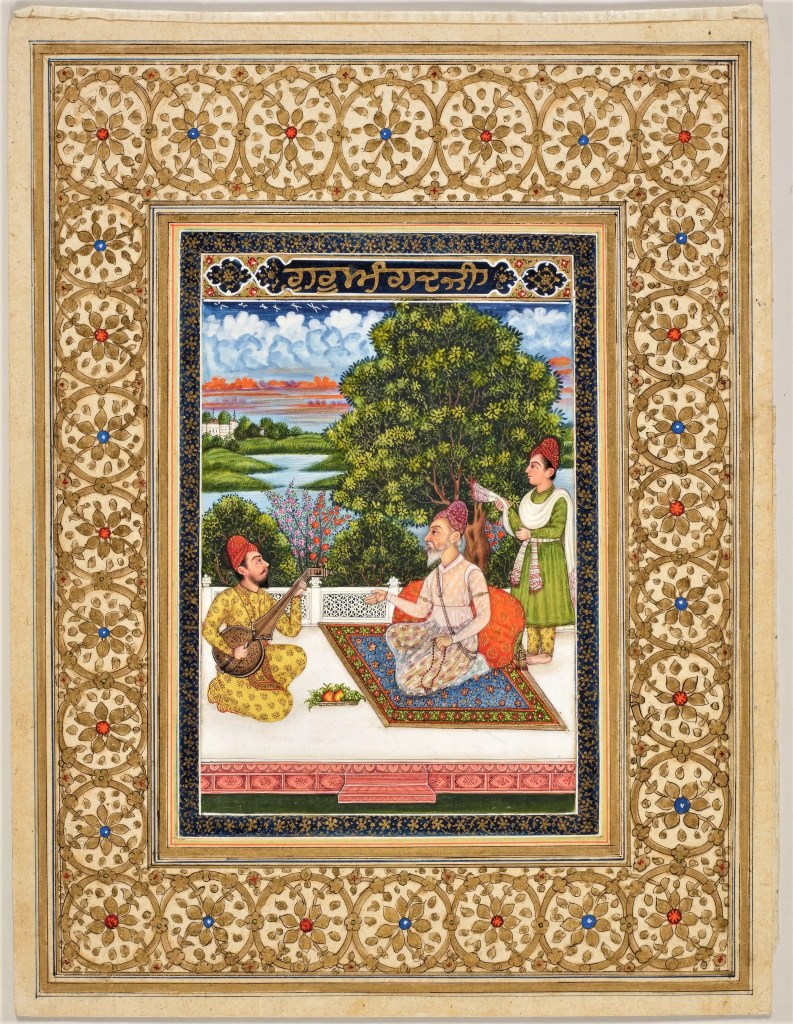
Guru Angad Dev Ji: The Second Guru
Early Life
Bhai Lehna, who would later be known as Guru Angad Dev Ji, the second Guru of Sikhi, was born in 1504 in the village of Matte-di-Sarai, now called Sarainaga in Punjab. He married Mata Khivi Ji in 1520, and together they had two sons and two daughters. In his early life, Bhai Lehna followed Hindu traditions and was a devoted worshipper of Goddess Durga, leading annual pilgrimages to her temple in Khadur Sahib, where the family later settled.
Awakening and Devotion
One day, Bhai Lehna heard a shabad (hymn) composed by Guru Nanak Dev Ji, sung by Bhai Jhoda Ji, a devout disciple. Deeply moved by the words, he travelled to Kartarpur to meet the Guru. This meeting marked a turning point in his life, awakening in him a deep devotion to Guru Nanak Dev Ji and the teachings of Sikhi
During Bhai Lehna’s time in Kartarpur with Guru Nanak Dev Ji, his unwavering devotion led Guru Nanak Dev Ji to choose him as his successor. In a one symbolic task it can be said Guru Nanak Dev Ji dropped a jug or bowl in mud, while others hesitated, Bhai Lehna retrieved the item without concern, with the purpose of only serving, in spirit of this, In 1539, Guru Nanak Dev Ji named him ‘Angad’, meaning ‘my own limb’, a powerful testament to Guru Angad Dev Ji’s longstanding commitment and devotion.
Standardisation
Over the next years, Guru Angad Dev Ji played a pivotal role in shaping Sikhism by standardising the Gurmukhi script, which he used to compile and preserve the Shabads of Guru Nanak Dev Ji. This commenced the start of the Gurmukhi script and the scripting of the teachings. The teachings were also made to be more accessible unity people across regions.
Guru Angad Dev Ji also systematised the practice of langar, strengthening its core values, transforming the act into a spiritual and social practise. He also established fundamental rules for sevadars (volunteers). Notably, Mata Khivi Ji (Guru Angad Dev Ji’s wife) also took an active charge in the leadership and organisation of managing Langar at Khadur Sahib, marking her for her compassionate acts and services. In 1552, Guru Angad Dev Ji passed on succession to Guru Amar Das Ji, entrusting him to carry forward the message of unity, equality and one eternal god.
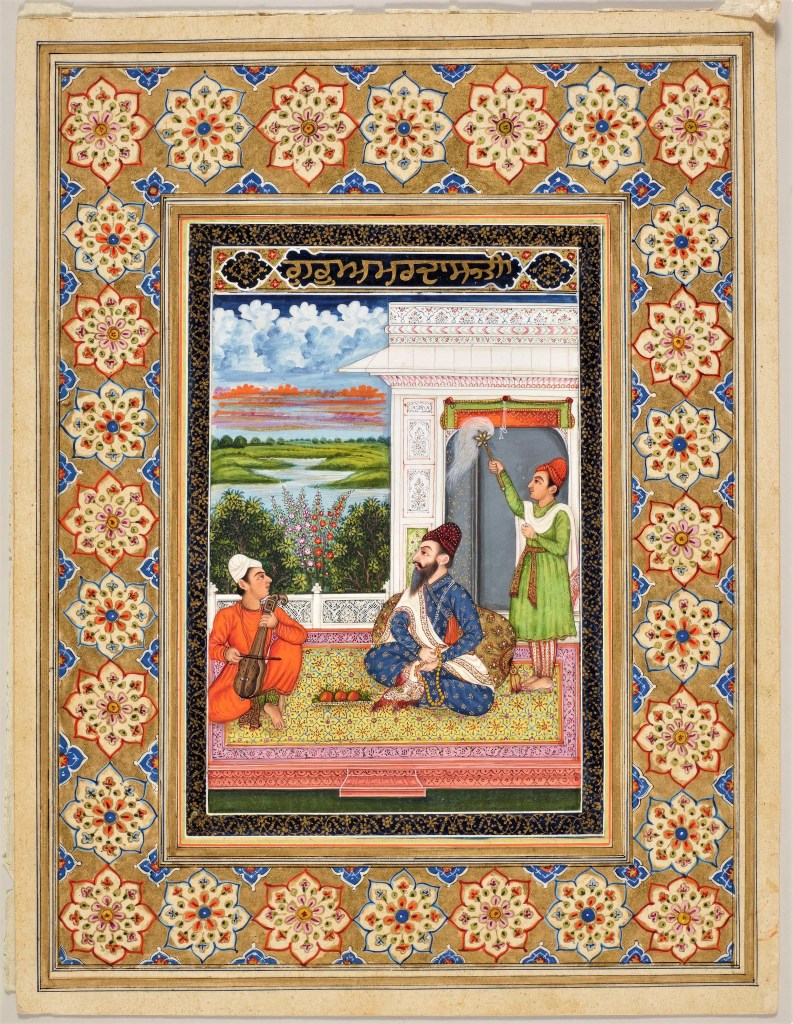
Guru Amar Das Sahib Ji: The Third Guru
Early Life
Guru Amar Das Ji, the third appointed Guru of Sikhi was born in 1479 in Basarke village, now part of the Amritsar district in Punjab. He married ‘Mansa Devi Ji’ and together they had four children, two sons and two daughters. Guru Amar Das Ji worked as both an agriculturalist and a trader. Raised in a devout Hindu family, he spent much of his early life engaging in religious rituals and pilgrimages. On one of these pilgrimages, a Hindu monk asked him why he did not have a Guru. This question deeply impacted him, setting him on a quest for spiritual guidance and a teacher.
Meeting Guru Ji
Upon returning from his twentieth pilgrimage to the Ganges River, Guru Amar Das Ji heard Bibi Amro Ji, the wife of his nephew and daughter of Guru Angad Dev Ji, singing a shabad (hymn) composed by Guru Nanak Dev Ji. Inspired by her devotion and the message of the Shabad, Guru Amar Das Ji sought out Guru Angad Dev Ji, whom he soon accepted as his spiritual teacher. At the age of 61, Guru Amar Das Ji dedicated his life to humble service. His unwavering service and humility led Guru Angad Dev Ji to appoint him as the third Sikh Guru in 1552, making Guru Amar Das Ji one of the oldest appointed Gurus.
Manji System
Becoming the third Guru Ji in 1552, many sought to see the newly appointed Guru in Goindwal. Although Goindwal had become very busy, especially for Sikhi, Guru Amar Das Ji also introduced the Manji system, a carefully planned system in which Sikh missionaries were sent across other parts of India to spread Sikhi more efficiently. This system and act builds structure, function and significance to the Sikhi in spreading the Sikh teachings. During this time 22 manjis were set into place throughout Punjab, Haryana, Himachal Pardesh, Pakistan and Afghanistan.
Guru Amar Das Ji was also a firm believer in equality and challenged social injustices such as caste discrimination and gender inequality. He advocated for widows to remarry and opposed practises such as sati (self-immolation of widows). In Guru Amar Das Ji’s own words –
“Satis are not those who burn themselves on the husband’s funeral pyre; Satis are those who die of the shock of separation and live a life of virtue and contentment.”
Sri Guru Granth Sahib Ji, Ang 787
In 1574, Guru Amar Das Ji publicly appointed Guru Ram Das Ji as his successor. He asked five trusted Sikhs to help choose the next Guru. Though his own sons were considered, it was Bhai Jetha, his humble and devoted son-in-law, who stood out. He was chosen for his selfless service and named the fourth Guru, Guru Ram Das Ji. upholding a duty of growing the Sikh community, furthering the path of seva, and divine truth.
Guru Ram Das Sahib Ji: The Fourth Guru
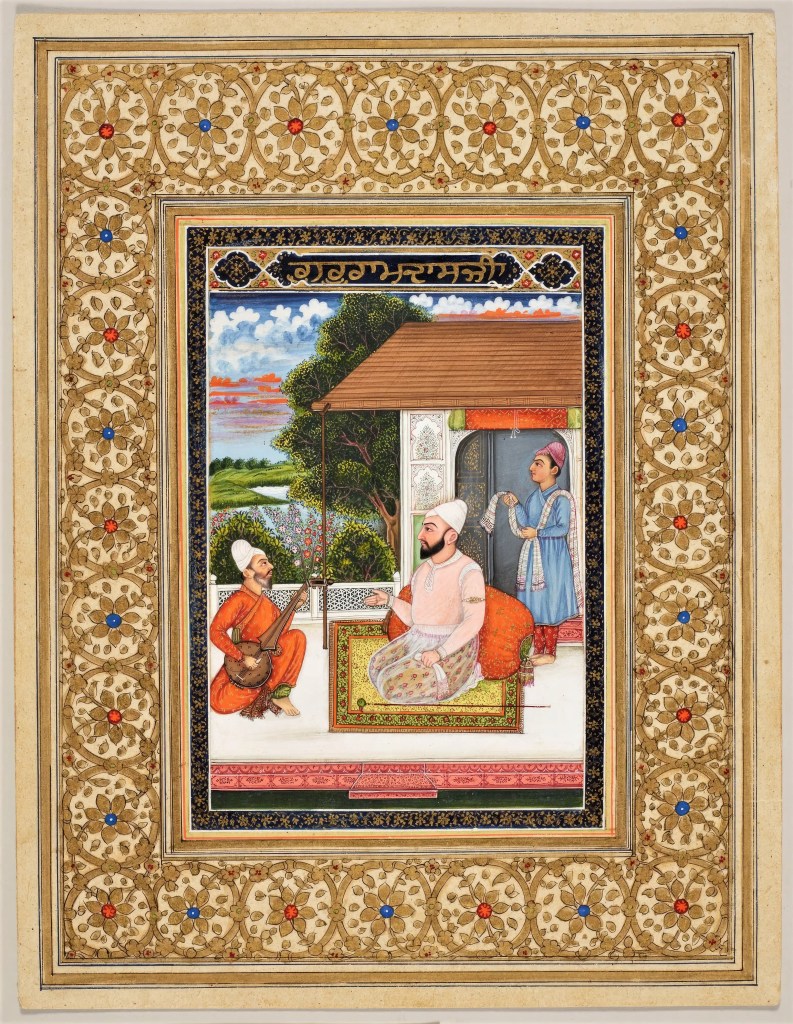
Early life
Guru Ram Das Ji was born in 1534 in Lahore, Punjab, with the name Jetha. Losing both his parents, Bhai Jetha was then raised at the age of seven by his maternal grandmother in Basarke. Growing up in Basarke, he started selling black chickpeas and boiled wheat to earn a living at the age of nine. From a young age, Bhai Jetha was seen in the company of religious men.
One Day, Bhai Jetha came across a group of Sikhs who were on their way to pay homage to Guru Amar Das Ji in Goindwal. Moved by curiosity and faith, Jetha Ji joined them. Upon meeting with the Guru Ji himself, Bhai Jetha decided to stay and become a disciple of Guru Amar Das Ji. During this time, Bhai Jetha became known for his strength, kindness and immense devotion. Recognising this, Guru Amar Das Ji arranged a marriage between his daughter Bibi Bhani and Jetha Ji in 1554.
Becoming Guru and Founding of Amritsar
In 1574, Bhai Jetha became the fourth Guru in Sikhi and was renamed as Guru Ram Das Ji. he further strengthened Sikh foundations, notably through the construction of Amrit Sarovar (the sacred pool which now surrounds Sri Harmandir Sahib). Marking the significant finding of Ramdaspur or now known as Amritsar. This discovery would spark the beginning of Sri Harmandir Sahib, one of the holiest Sikh sites.
The creation of Amrit Sarovar represented a multitude of things, such as the beginning of a new spiritual city, a space for spiritual cleansing and healing. It was also recognised as a powerful symbol for unity, uniting people from all backgrounds. Guru Ram Das Ji also deeply emphasised humility and seva. encouraging others to live with compassion and devotion.
Legacy and Succession
Guru Ram Das Ji is remembered as a humble leader, known for his deep emphasis on humility and seva. Encouraging others to live with devotion and love for all. In 1581, Guru Ram Das Ji appointed his third son, Arjan Dev, as successor. Upholding a belief of equality, spiritual grace and the oneness of the eternal god.
Guru Arjan Dev Ji: The Fifth Guru
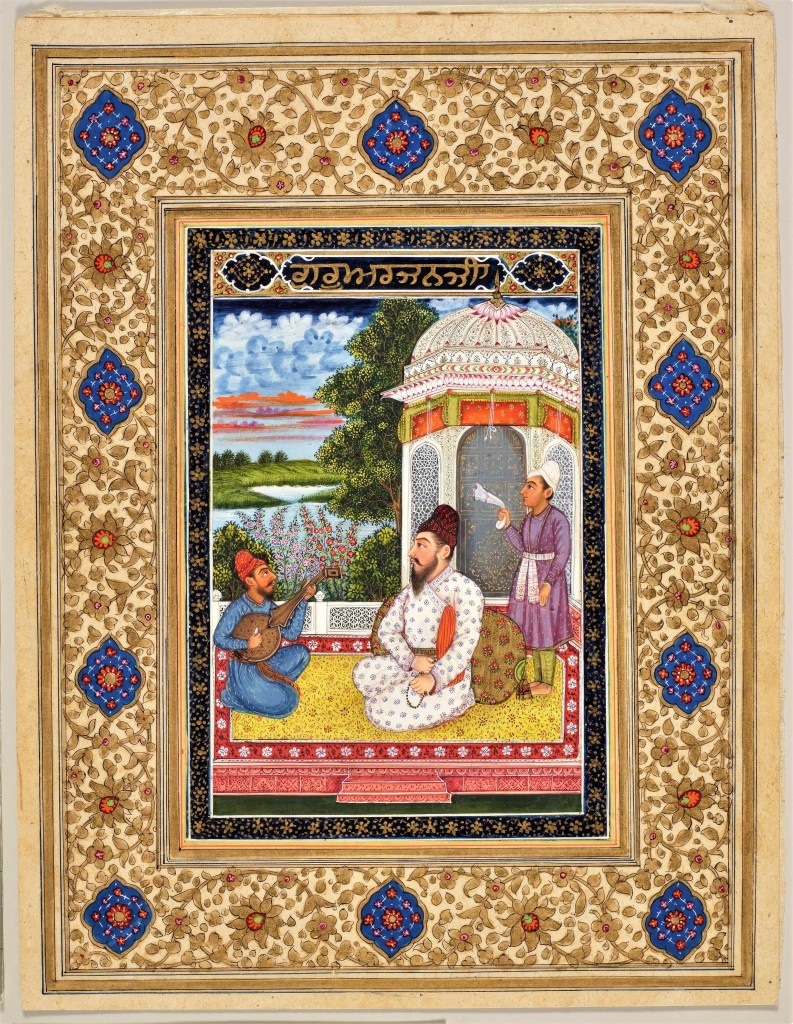
Early Life and Upbringing
Born in 1563 in Goindwal, Punjab, Guru Arjan Dev Ji was the youngest son of Guru Ram Das Ji. From a young age, Guru Arjan Dev Ji was known for his humility, bravery and selfless service, receiving education and religious upbringing from his father and his great uncle, Guru Amar Das Ji.
First Scripture and Harmandir Sahib
Upon becoming the fifth Guru in 1581, Guru Arjan Dev Ji was revered for his calm temperament, spiritual depth and poetic brilliance. In 1589, he would marry Mata Ganga Ji. During his Guruship, Guru Arjan Dev Ji would compose over 2,000 Shabads, which were collected in the Adi Granth, the first scripture detailing the four previous Gurus’ Shabads alongside many other revered saints. Marking a significant point in Sikhi, this not only preserved the teachings it also united the Sikh community.
Enshrined in the Harmandir Sahib (Golden Temple), whose construction began in 1604, marked another significant point in uniting Sikhs. It was uniquely constructed lower than the surrounding land, requiring all to step down, a powerful metaphor of humbling oneself before the divine. embodying core values of Sikhi, symbolising equality, humility and openness.

Painting of Guru Arjan Dev Ji overseeing the construction of the original Golden Temple (Harmandir Sahib), circa 1890-95.
Martyrdom
In 1606, Guru Arjan Dev Ji became the first Sikh martyr. He was arrested by Mughal authorities and subjected to severe persecution, ultimately giving his life rather than compromise his faith or values. His martyrdom became a defining moment in Sikh history, symbolising spiritual resilience and unwavering commitment to truth
Following Guru Arjan Dev Ji’s Martyrdom, succession was passed to the Guru Ji’s son, Guru Hargobind Sahib Ji, in 1606.
Guru Hargobind Ji: The Sixth Guru
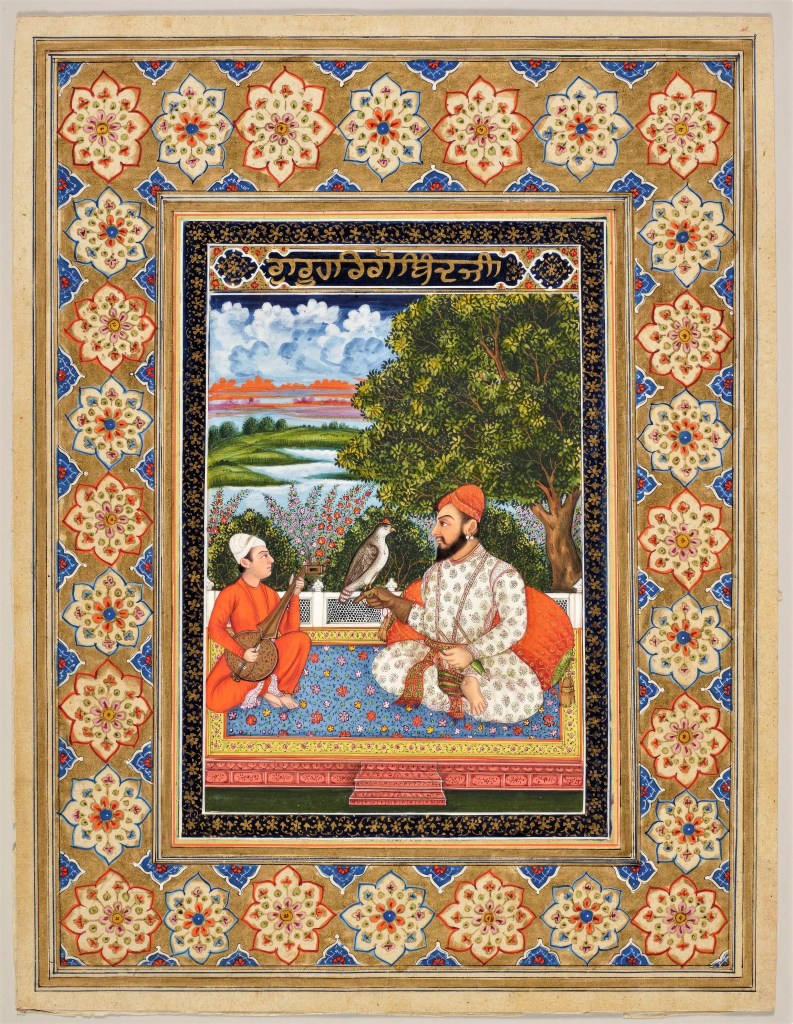
Early Life
Guru Hargobind Ji became the Sixth Guru at the age of eleven, following his appointment by his father five days before Guru Arjan Dev Ji’s martyrdom. Born in 1595 in Guru Ki Wadali near Amritsar, from a young age, he displayed a rare blend of spiritual depth, wisdom, and courage.
He studied religious texts with Bhai Gurdas Ji, a respected theologian and scribe, and was trained in martial arts, swordsmanship, and archery under Baba Buddha Ji, a revered Sikh saint and disciple of Guru Nanak Dev Ji.
Guru Hargobind Ji was married to Mata Damodari Ji, and later to Mata Nanaki Ji and Mata Mahadevi Ji, a practice not uncommon for social and familial responsibility. He had children, including Baba Gurditta Ji and Tyag Mal (later Guru Tegh Bahadur).
New Direction
In July 1606, a new era began. Guru Hargobind Ji introduced two swords on his shoulders, stating to Baba Buddha Ji:
“I wear two swords as emblems of spiritual and temporal authority.”
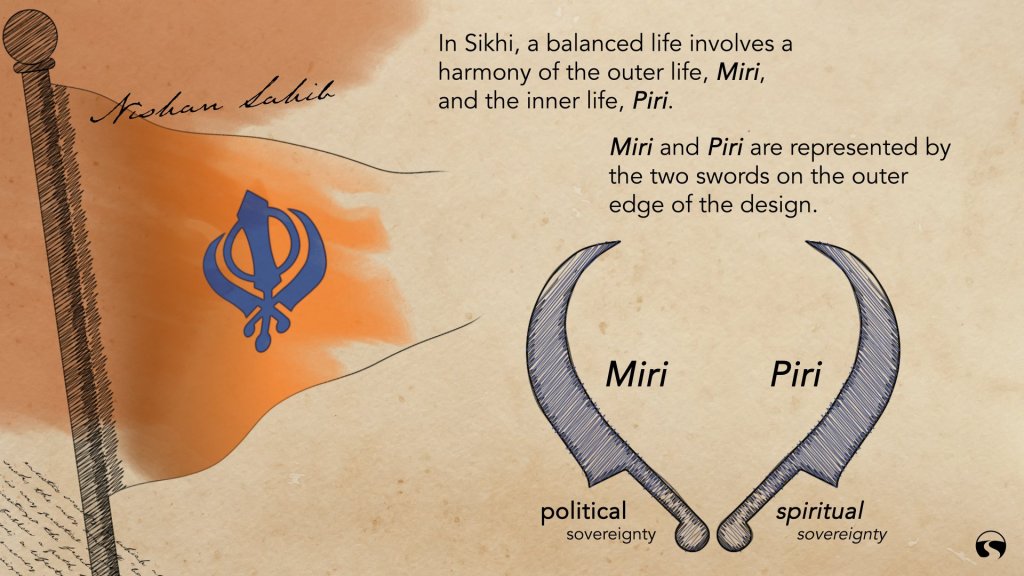
Drawing depicting Miri and Piri, making up the khanda (Sikh symbol) from Sikh Research Institute
Commemorating the birth of Miri Piri, Miri being temporal authority and Piri spiritual authority, he united inner devotion with worldly action. This became central to Sikh identity, laying the groundwork for spiritual strength and physical resistance. Miri Piri was also embodied in the Akal Takht, built opposite Harmandir Sahib that same year, symbolising political sovereignty and resistance to oppression.
The Akal Takht marked the beginning of Sikh militarisation, encouraging the spirit of the saint-soldier.
Guru Hargobind Ji became the first Guru to engage in warfare, shaping the Guru’s role as both spiritual guide and just leader. Opposing unwarranted violence, he taught that force should be rooted in righteousness and self-defence.
Bandi Chhor Diwas
In 1619, Emperor Shah Jahan would imprison Guru Hargobind Ji, posing him as a threat to the Mughal empire. On his eventual release, Guru Ji refused to leave without the 52 detained prisoners who were wrongly kept. Upon hearing this, Shan Jahan crafted a condition stating that only those who could cling to Guru Ji would be allowed freedom.
In brilliance, Guru Hargobind Ji had a cloak sewn with 52 tassels, made for each prisoner. Guru Ji wore it, guiding every prisoner out of Gwalior Fort, walking a journey of liberation and humility. This courageous act would be remembered as Bandi Chhor Diwas, celebrating him as Bandi Chhor, the liberator of prisoners.
Upon his passing in 1644, he bestowed succession to his grandson, Guru Har Rai Ji, who became the Seventh Guru.
Guru Har Rai Ji: The Seventh Guru
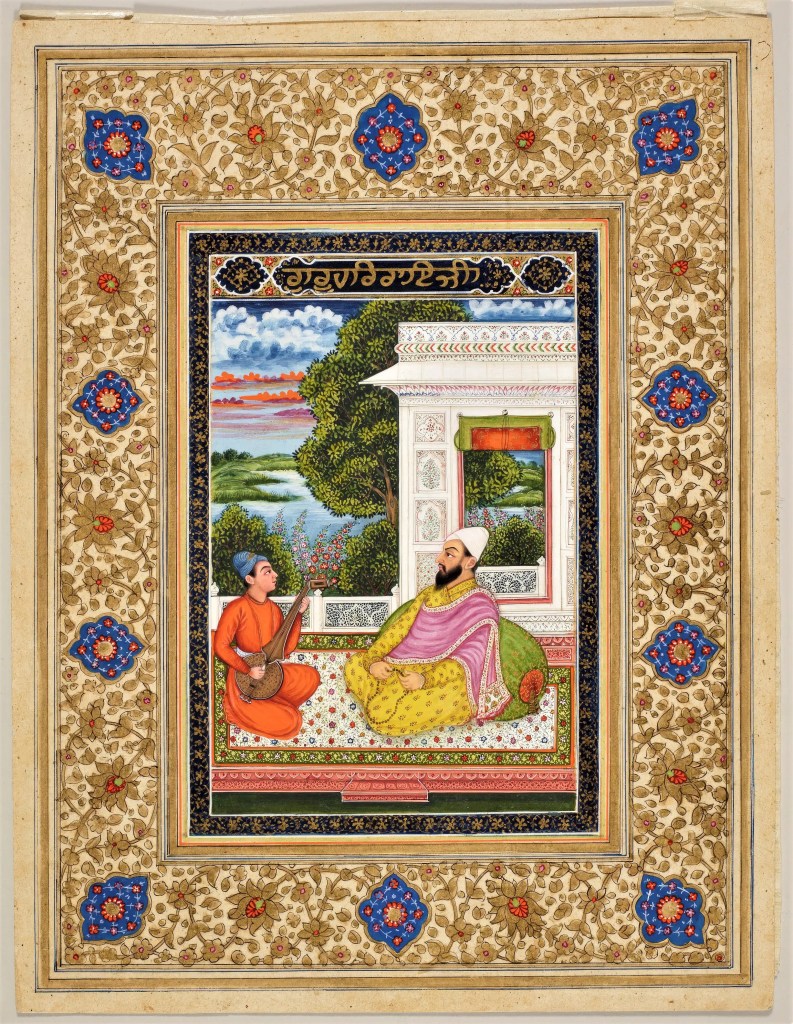
Early Life
Born in 1630 in Kiratpur, Guru Har Rai Ji became the seventh Guru at the young age of 14. From early on, he was known to be harmonious, kind-hearted, and deeply connected to nature. One morning, while walking, he saw his grandfather, Guru Hargobind, and rushed over, but his robe caught on a bush full of flowers. As he tore his robe free, some flowers broke from their stems. Seeing this, Guru Har Rai cried,
“I have hurt a living being. I walked too carelessly”
Words spoken to Guru Hargobind Ji when asked why
Guru Har Rai Ji married Mata Kishan Kaur and had two sons. Although trained in archery and martial arts, he chose to stay away from violence, resisting conflict through compassion, wisdom, and peaceful means. Seen through the added expansion and the strengthening of the Masand system in a time of opposing parties corrupting the system.
Naulakha Bagh
Over the years, Guru Har Rai Ji upheld Sikh values such as peace, spirituality, and care. Around the 1640s, Naulakha Bagh was founded by Guru Har Rai Ji, a magnificent garden housing an estimated 900,000 plants. Guru Har Rai Ji was a believer in natural medicine, Naulakha Bagh was more than a peaceful place for the community to gather, its plants were also used for medicinal knowledge and healing. Guru Ji made natural medicine available at no cost through langar services and throughout Punjab, treating many people, including Dara Shikoh. Reflecting his compassion and service in helping all.
Meeting with the Emperor
Emperor Aurangzeb had planned for his brother Dara Shikoh to be executed, but upon hearing Guru Har Rai’s involvement in healing Shikok, Aurangzeb’s anger grew. In 1660, he summoned Guru Har Rai Ji to explain his support in helping Shikoh.
Guru Har Rai Ji would send his son Ram Rai, entrusting him to uphold the Sikh faith without compromise. Aurangzeb would question Baba Ram Rai on many things, especially on a verse in the Adi Granth. Baba Ram Rai pleased Aurangzeb by altering the verse. compromising on keeping Aurangzeb at peace to protect himself, but at the cost of discouraging its original text and therefore Sikhi.
Upon hearing this, Guru Har Rai excommunicated his elder son, Baba Ram Rai, who defied Guru Har Rai’s orders; he went on to appoint his younger son, Guru Har Krishan, as successor.
Guru Har Krishan Ji: The Eighth Guru
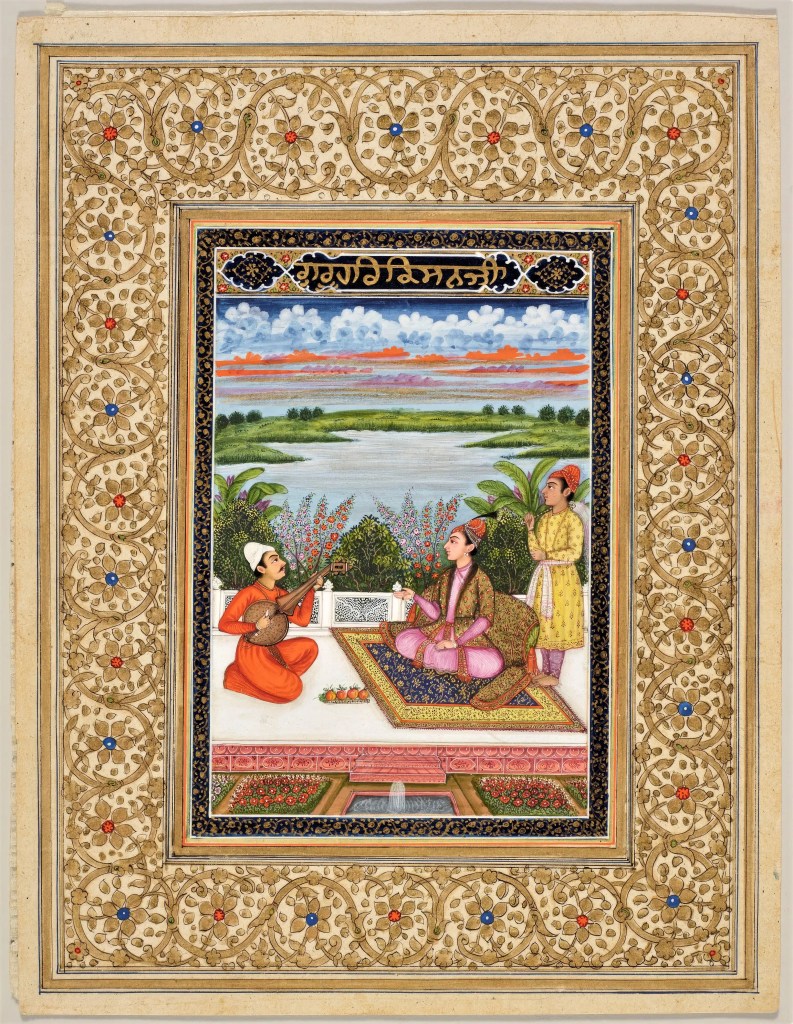
At the young age of five, Guru Har Krishan was announced the eighth Guru in Sikhism, born in 1656 in Kiratpur, making him the youngest Guru. Despite his age, he was renowned for his immense spiritual sensitivity, humility and compassion. As a toddler, he would sit beside his father listening to Shabads centred on love and remembrance of the divine.
Guru Har Krishan warmly invited many of his disciples to cherish the one god alone and to live with virtues of love, charity and patience, all well-adapted values in Sikhi…
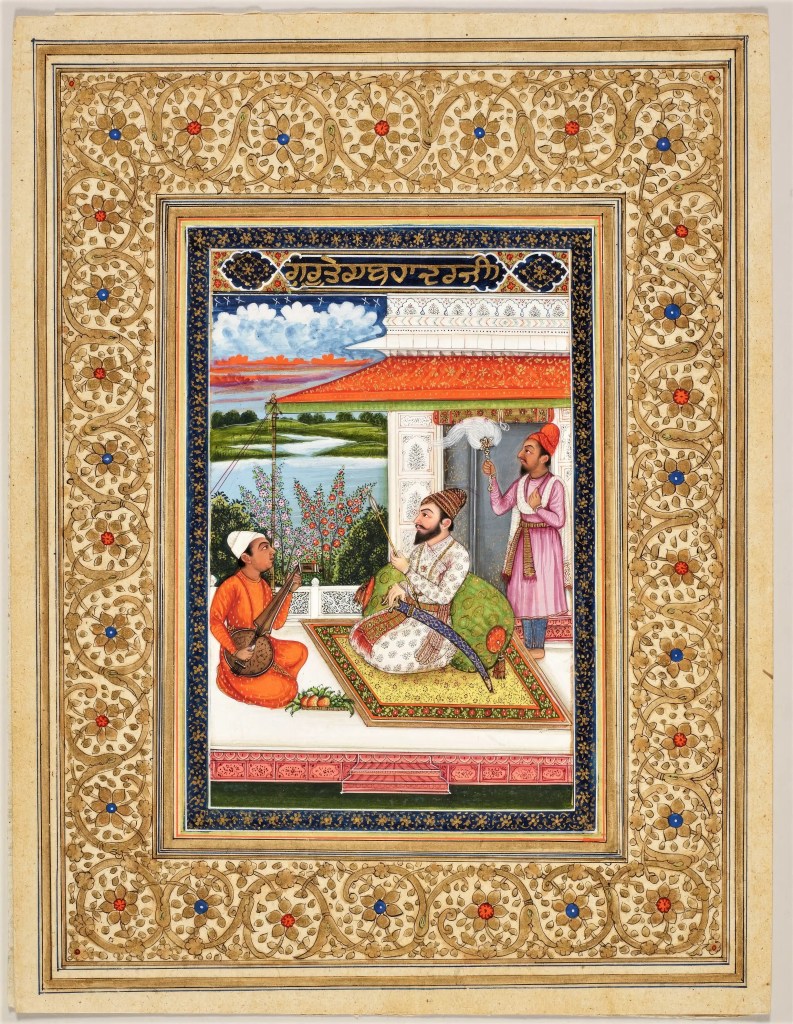
Guru Tegh Bahadur Ji: The Ninth Guru
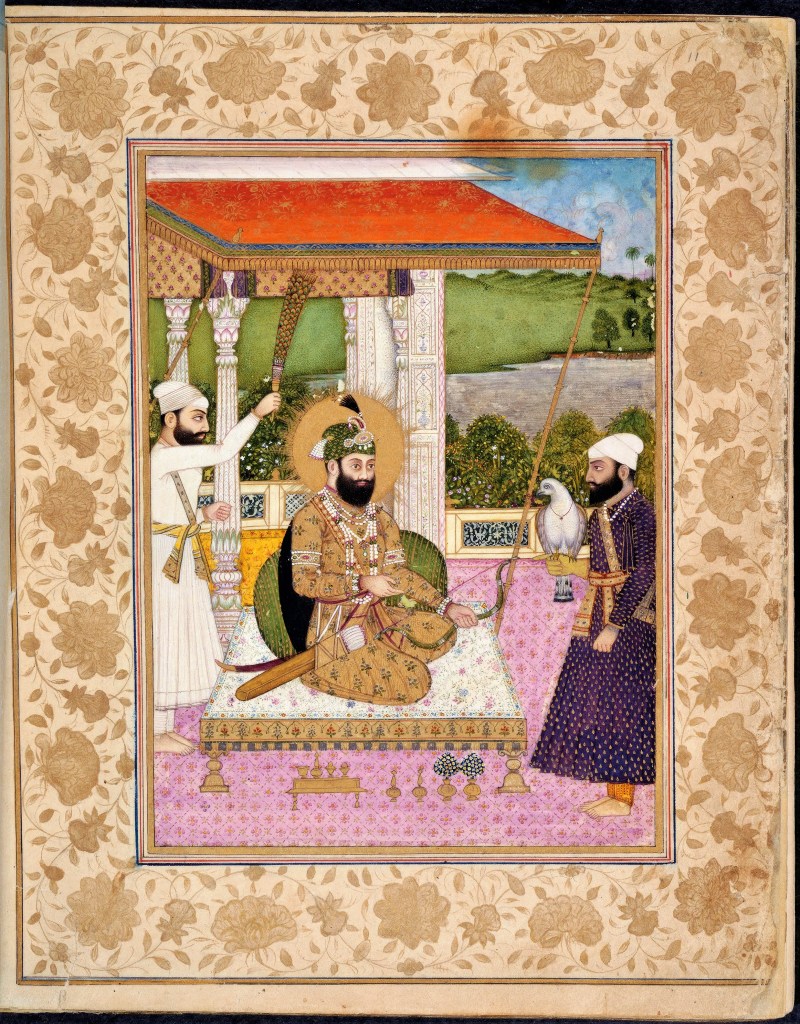
Guru Gobind Singh Ji: The Tenth Guru
Reflections on writing this blog
This post is a personal exploration, written solely for my knowledge to educate others and myself. Sources of information are the following sites: Sikhiwiki, The Sikh Encyclopedia; Basicsofsikhi and Wikipedia. I’ve aimed to present these teachings with respect, clarity, and simplicity, while keeping the writing accessible and reflective.
I also wanted to reflect the stories of each Guru in a simple, continuous way without going into too much depth, as this is aimed to be a short overview of each Guru. Which is why some events were briefly mentioned or weren’t included
 Sunilswriting